
Your needs, this model
Does it fit your priorities?
What circumference interval applies to Register II's UA configuration?
The exact style-174 page identifies Universal Adult (UA), and Giro's linked adult chart spans 54–61 cm for that size. It is a screen for trying the exact shell, not a comfort or personal-fit conclusion.
Explore this need in the finder →Can the exact US page support a CPSC-required shortlist?
Not from the captured exact US page: its certification panel lists CE EN 1078 but no CPSC statement. Treat CPSC as unknown rather than noncompliance; confirm the exact physical helmet label and current documentation if the standard is essential.
Explore this need in the finder →Does Register II style 174 document Spherical/Mips?
No. The exact US page names an Evolve Core rotational energy-management system but does not call it Spherical/Mips or expand the wording as Mips. Do not transfer the separate Register Mips II style-175 claim to this style.
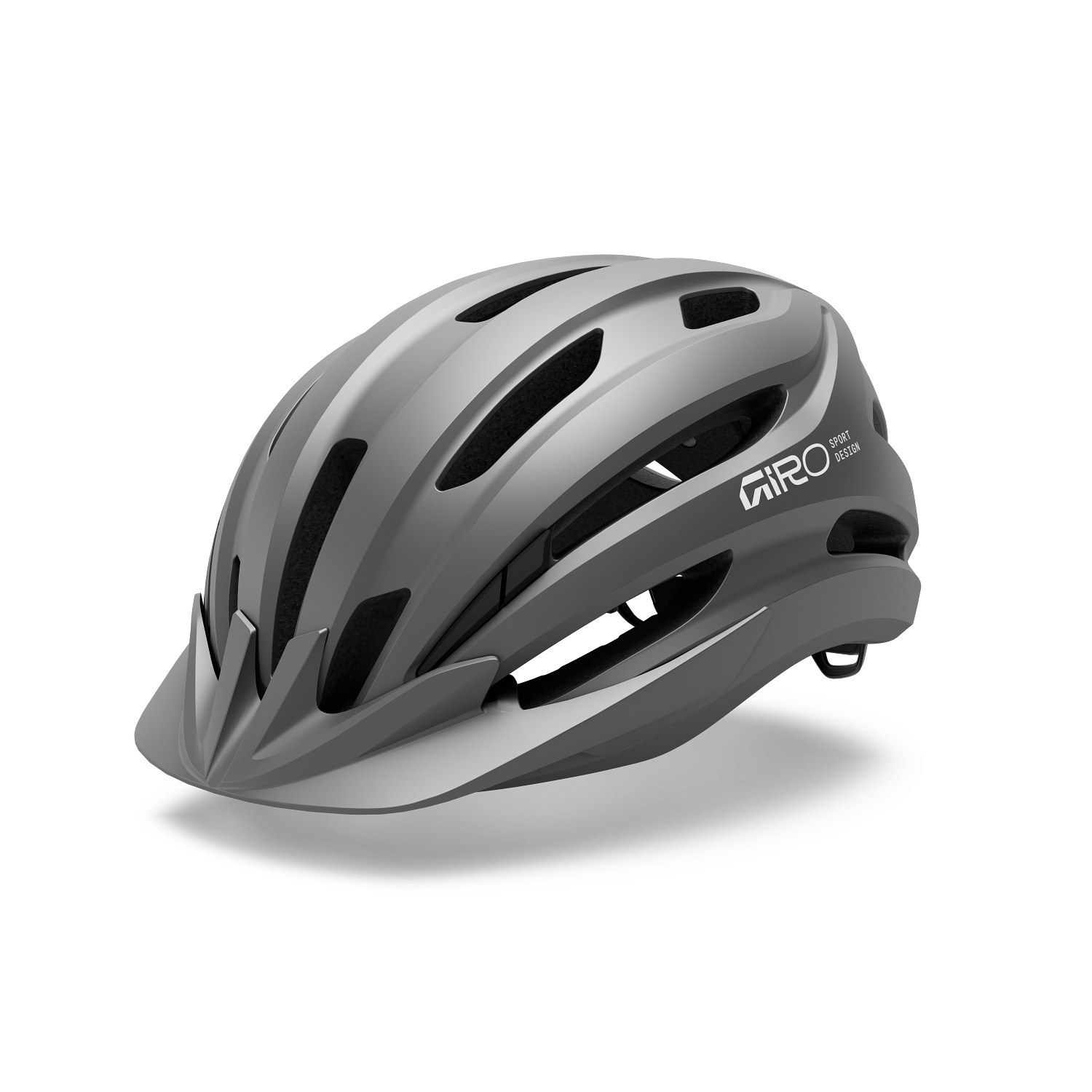
Explore this need in the finder →Giro's Register II style 174 is a separate US configuration from the Register Mips II style 175, the Register Mips II XL style 180 and youth versions. The observed style is Matte Titanium with the single Universal Adult (UA) size, SKU GR-7203172. Giro describes it as a recreational helmet with road-helmet styling, a removable visor and an adjustable fit system. The exact US copy names an Evolve Core rotational energy-management system, but does not expand that wording as Mips.
A recreational model, not a road-racing conclusion
The phrase “road-helmet styling” is not the same as an explicit road-use recommendation. The product page calls this a recreational helmet, and it does not specify a narrower road, gravel, urban or trail plan. This assessment leaves those activity filters open rather than reading intended use into styling. The name may resemble nearby Register products, but their fit, certification and Mips claims are version-specific. A shopper comparing Register II should verify style 174 and SKU GR-7203172 rather than treating any “Register Mips II” offer as equivalent.
The exact page calls out a removable visor and an adjustable fit system. It does not identify the system by a model-specific name or give its adjustment range. That leaves a shopper with a practical check to make in person: the helmet should sit level, stay stable when adjusted, and work with the supplied straps and instructions. An adjustable mechanism is not a substitute for choosing the right shell size or confirming the rider's shape and comfort.
UA circumference range
The exact US page selects Universal Adult. Giro's linked adult helmet chart places that size at 54–61 cm. This is a chart interval, not a fitted-size promise, and a measurement at either endpoint does not decide whether the shell shape works. Measure as Giro instructs, try the exact style on and check retention and strap positioning before riding. The manufacturer material gives no internal head-shape profile or individual fit result.
The size distinction matters because Register versions do not share a single range. The standard Register Mips II style 175 is also UA, while style 180 is UXL and charted at 58–65 cm; youth and women's editions use other configurations. Similar names do not authorize moving an XL range, CPSC statement or fit detail onto style 174. Use the reviewed product page and its actual size marking.
Certification wording and rotational system
The exact US Certifications & Weight panel lists CE EN 1078. It does not state CPSC compliance. This omission is recorded as unknown evidence, not as proof the helmet is noncompliant. If a US CPSC statement is essential, inspect the physical helmet's label and seek exact-style documentation before buying. The page's CE wording should not be silently relabeled as CPSC, and a standards statement does not guarantee that an individual rider will avoid injury.
Giro's US page uses the phrase Evolve Core rotational energy-management system but does not expand it to Mips in the exact style-174 text. The site therefore does not classify it as Spherical/Mips or copy the neighboring Register Mips II's designation. This conservative distinction also means the model will not pass a finder choice that explicitly requires Spherical/Mips. More complete current documentation could clarify the terminology, but this review does not infer beyond the US page.
What can and cannot be compared
The exact page describes In-Mold construction and lists material composition, yet it gives no numeric vent count, weight, or independent ventilation or impact result. Its description that the design borrows styling and venting from higher-end road helmets does not quantify this model's vents or establish that it cools like another helmet. It also gives no impact-history guidance for a used unit, so a buyer should follow the manual and avoid a helmet whose crash history is unknown.
Useful comparisons are about evidence and configuration, not a ranking. The Register Mips II and Register Mips II XL have distinct rotational-system and CPSC-page evidence; neither can fill the gaps in style 174. The correct comparison starts with the style number and exact physical label, then moves to a try-on and the product's instructions.
Bottom line
Register II style 174 is a source-documented recreational helmet with a removable visor, adjustable fit system and UA 54–61 cm chart. It may be worth considering when those basics match the shopping task, but it is not a defensible pick for a hard CPSC or Spherical/Mips requirement using the captured US evidence. Confirm the exact size, label, return terms and current manufacturer information, and try it on before use. This page is a research-based assessment; no riding, ownership or independent test is claimed.
Key specifications
Key details at a glance
| Helmet style | Half-shell |
|---|---|
| Listed fit sizes | UA |
| Published circumference floor | 54 cm |
| Published circumference ceiling | 61 cm |
| Rotational-impact design | Evolve Core rotational energy-management wording |
| Fit adjuster | Adjustable fit system; exact mechanism not named |
| Fit adjustments described | Giro describes an adjustable fit system but does not give a numeric range or mechanism name on the exact US page. |
Use the exact model’s instructions for operating limits, supplied equipment and version differences.
Sources for this review
Sources for this assessment
Compare the model with your own constraints
A model assessment cannot decide fit by itself. Use the finder to combine riding use, head circumference and documented features, then verify the exact helmet and instructions.