
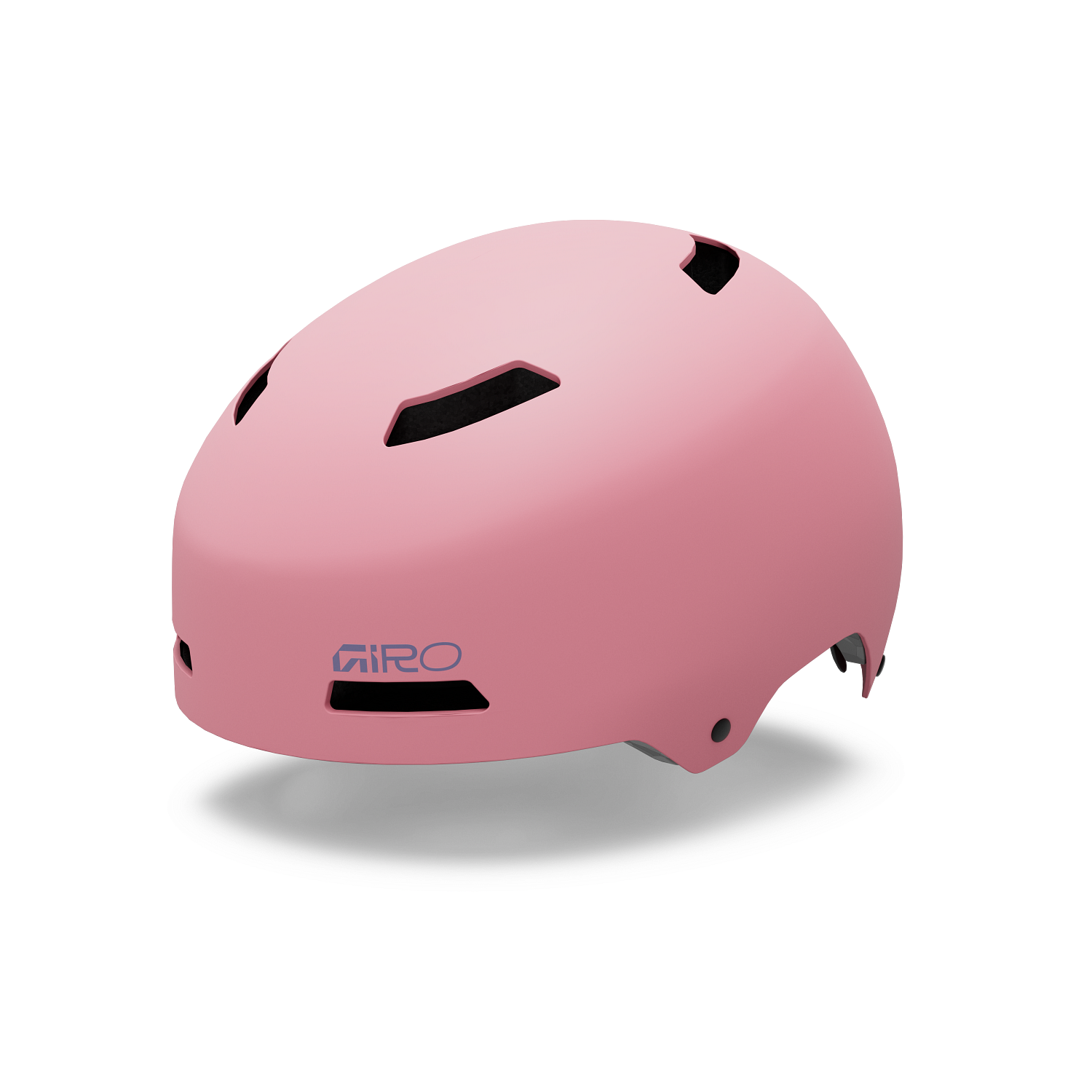
Your needs, this model
Does it fit your priorities?
Does Dime MIPS satisfy a strict Spherical/Mips filter?
No. The exact US page names Mips but does not name Giro Spherical Technology powered by Mips. This review treats the version as integrated Mips, not the narrower Spherical/Mips requirement.
Explore this need in the finder →What head sizes does Giro list for Dime MIPS?
The product page lists XS at 47–51 cm and S at 51–55 cm, with 51 cm appearing in both rows. A chart match cannot decide fit; try the exact helmet on and follow the instructions.
Explore this need in the finder →What is its published size-S weight?
Giro lists 480 g for size Small. It is a manufacturer-stated figure for S, not XS or an independent weighing; the page also counts eight vents without documenting independent cooling.
Explore this need in the finder →The Giro Dime MIPS is a child-size, half-shell bicycle helmet whose useful distinctions are modest but concrete: the US product page lists eight vents, a US CPSC statement for riders age five and older, a Mips system, and a 480 g manufacturer figure for size Small. Those are identification and shopping facts, not results from a fit test or a crash test. This assessment is based on the current manufacturer page and its own youth size guide; I have not worn, weighed, or independently tested the helmet.
Keep the exact Dime version straight
The observed Giro directory card resolves to Dime MIPS, US style 100000001400000075. The checked Matte Light Pink / Small route identifies SKU GR-7202193; the page also offers XS. That exact identity matters because Giro lists a separate plain Dime without Mips, a Dime Mips SE edition, and other youth helmets such as Scamp and Register. Similar styling and the shared Dime name do not make their size charts, package details, or features interchangeable.
Giro describes this Mips version as a child-sized take on its Quarter Mips, with an EPS liner, a tough shell, riveted webbing anchors, and sweat-absorbing pads. Its page counts eight vents. The feature list does not document a retention dial or give a model-specific head-shape description, so I would not assume a dial adjustment or a particular round/oval fit from the name or photos. Padding and ventilation openings are manufacturer details; neither proves day-long comfort or cooling in a given riding condition.
Use the youth chart as a screening range
The exact US page's chart gives XS as 47–51 cm and S as 51–55 cm. The shared 51 cm endpoint appears in both rows. A circumference match is only a reason to try a size, not a verdict that either size fits. Measure around the head with a level flexible tape, place the helmet low and level as Giro instructs, and check that it stays stable without pressure points or movement that exposes the forehead. If XS and S both appear plausible at the boundary, the actual try-on—not a quiz result—has to resolve the choice.
Giro lists 480 g for size Small. That is the manufacturer's stated size-specific value, not an independent scale reading and not a weight for XS. The plain Dime page lists 450 g for Small, but this difference should not be turned into a comfort, safety, or performance ranking; the product pages do not describe a controlled comparison. Check the size and exact style on the offer rather than transferring one version's number to another.
Mips is not the Spherical system
The product name and feature copy identify Mips, which is a meaningful rotational-impact design label to distinguish from a model page that names no Mips system. This listing does not document Giro's Spherical Technology powered by Mips. The finder therefore treats Dime MIPS as an integrated-Mips model, not a match for a strict requirement for documented Spherical/Mips. A helmet technology name does not predict an individual's crash outcome, and this assessment makes no comparative injury-protection claim.
The CPSC line is explicit for persons age five and older. It is useful for checking the exact US model, but it is not a guarantee against injury, a statement that the size will fit, or a substitute for checking the physical helmet's label and instructions. For younger riders, do not extend the age wording from another model: Giro's Scamp page has different, size-specific CPSC wording, while this Dime MIPS statement names age five and older.
Who should compare it—and what to verify
Dime MIPS is worth comparing when the child-size XS/S chart, eight-vent layout, and named Mips system are relevant. It is not a documented trail-specific model in the reviewed plan, and its page does not supply an independently measured fit, cooling result, or detailed adjustment range. Riders seeking a strict Spherical/Mips label should look at an assessment that documents that exact construction instead. If Mips is not a required feature, compare the plain Dime rather than assuming the Mips label makes the two versions otherwise identical.
Before choosing an offer, verify US style 100000001400000075, the intended size, exact color/SKU, CPSC marking and current instructions. The selected manufacturer image here is the Matte Light Pink product reference, not proof of the finish in every listing. Try the specific helmet on the child and check return terms if the fit is uncertain. Current stock, seller condition, price, and the age or crash history of a used helmet cannot be established by this research.
Research basis: Giro's US Dime MIPS style page, including its product-level size table, and Giro's US recall information were checked for this assessment. This is source-based analysis, not a claim of ownership, riding, hands-on fitting, laboratory testing, or customer experience.
Key specifications
Key details at a glance
| Helmet style | Half-shell |
|---|---|
| Listed fit sizes | XS / S |
| Published circumference floor | 47 cm |
| Published circumference ceiling | 55 cm |
| US CPSC compliance stated | Yes |
| Rotational-impact design | Integrated Mips |
| Fit adjustments described | |
| Verified vent count | 8 vents |
Use the exact model’s instructions for operating limits, supplied equipment and version differences.
Sources for this review
Sources for this assessment
Compare the model with your own constraints
A model assessment cannot decide fit by itself. Use the finder to combine riding use, head circumference and documented features, then verify the exact helmet and instructions.